
I have been involved in the field of healthcare, wellness, science and technology for over 20 years.
In my lifetime, I have seen the world of DNA testing make remarkable strides, making it increasingly accessible to the masses. Consumer genetic testing and medical genetic testing, while sharing a common scientific foundation, diverge significantly in their applications, insights, and implications.
In this article, I will share my insights on the intriguing similarities and differences between these two facets of genetic exploration, shedding light on their potential to empower individuals and shape our understanding of health, career, and lifestyle choices.
The Common Ground: Same Science
The instruments and laboratory processes used by both industries are often indistinguishable, underlining the reliability of the data generated.
Most people I speak to often do not realise that at the core of both consumer and medical DNA testing lies the same scientific foundation.
Both use advanced molecular techniques like PCR and DNA sequencing to decode our genetic makeup, and the instruments and laboratory processes used by both industries are often indistinguishable, underlining the reliability of the data generated.

In fact, regardless of whether it is consumer or medical DNA testing, 80 to 90% of the sequencing market uses machines from the same brand, Illumina.
Consumer Or Medical DNA Test?
The primary distinction between consumer and medical genetic testing lies in the insights they unlock.
Now that we have explored the common scientific foundation, let us delve into the key differences between consumer and medical genetic testing.
While the scientific methodology remains consistent, the primary distinction between consumer and medical genetic testing lies in the insights they unlock.
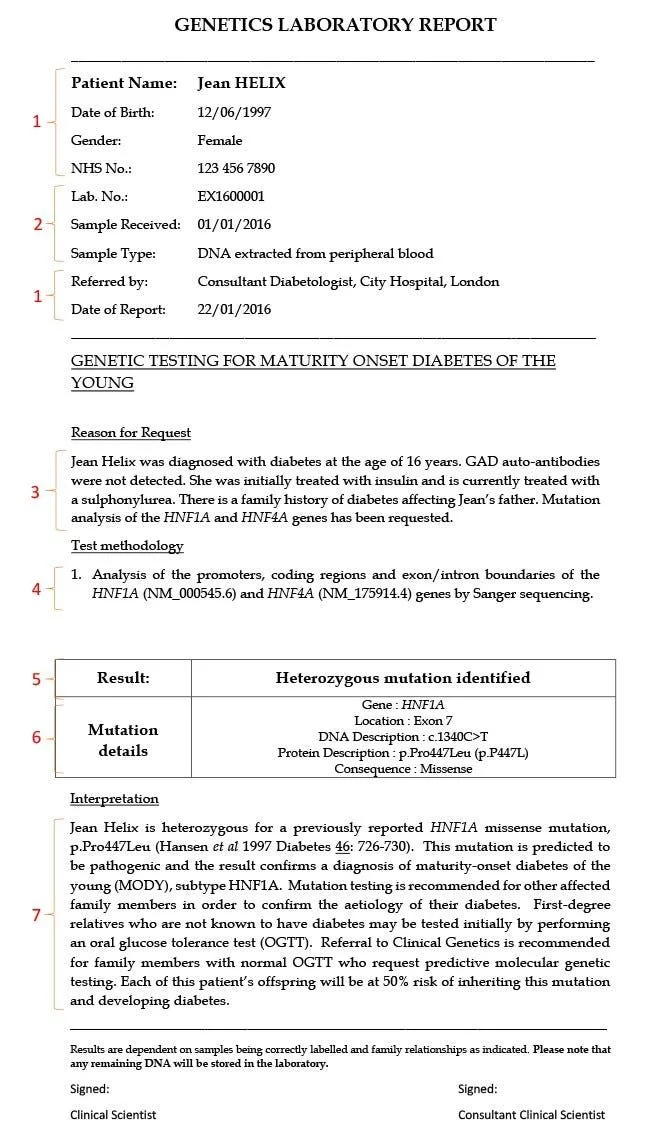
Medical genetic testing focuses on identifying specific genetic mutations or variations associated with diseases, offering invaluable information for healthcare providers in diagnosing, treating, and managing medical conditions.
On the other hand, consumer genetic testing casts a wider net, providing insights into nutrition, personality traits, and, to some extent, health predispositions.
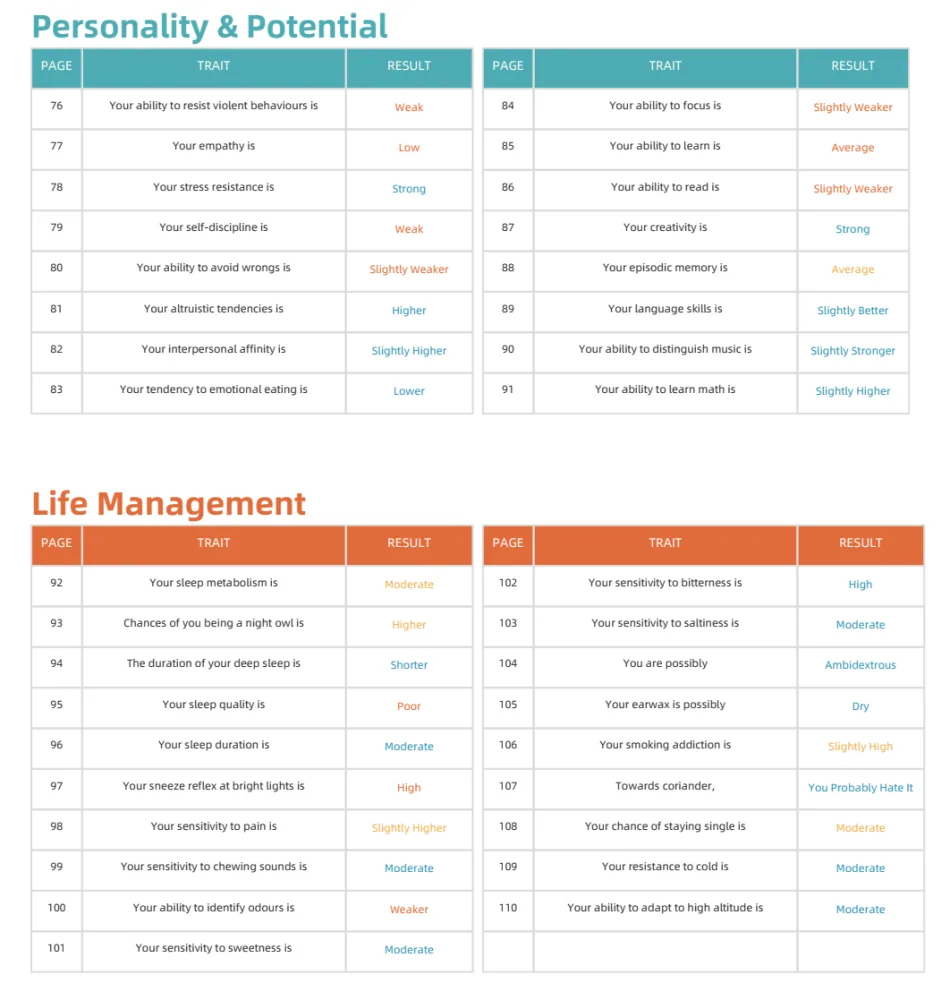
Indeed, consumer genetic testing can even captivate our imagination by allowing us to uncover our ancestral roots, and discover intriguing details like stress resistance, lactose tolerance, or susceptibility to gluten allergy. These are insights that fuel our curiosity and bridge the gap between science and personal identity.
Results: Challenge or Opportunity?
It is important that consumers seek professional guidance when interpreting their complex genetic information, even in the context of a consumer DNA test.
While genetic testing has made accessing our genetic information easier than ever, it also presents a challenge.
Unlike medical genetic testing, which is typically overseen by healthcare professionals, consumer tests place the responsibility on individuals to understand and act upon their genetic data.

This can be empowering but also daunting, as it necessitates a certain level of genetic literacy.
Therefore, it is important that consumers seek professional guidance when interpreting their complex genetic information, even in the context of a consumer DNA test.
Thankfully, more and more wellness businesses, from gym coaches to life coaches, are recognising the potential of incorporating their clients’ genetic insights to create highly personalised and effective services.
These insights can become a valuable tool in tailoring fitness routines, nutrition plans, and lifestyle advice, enhancing the overall well-being of individuals on a deeply personalised level.
Consumer Testing: The Trend’s Impact
Insights into athletic performance or cognitive traits can guide career decisions and personal development efforts.
As we navigate the complexities of interpreting genetic information, let us explore the rise of consumer genetic testing and its potential impact.
Personally, I see the rise of consumer genetic testing as a growing trend that aligns with our collective desire for greater control over our health and lifestyles.
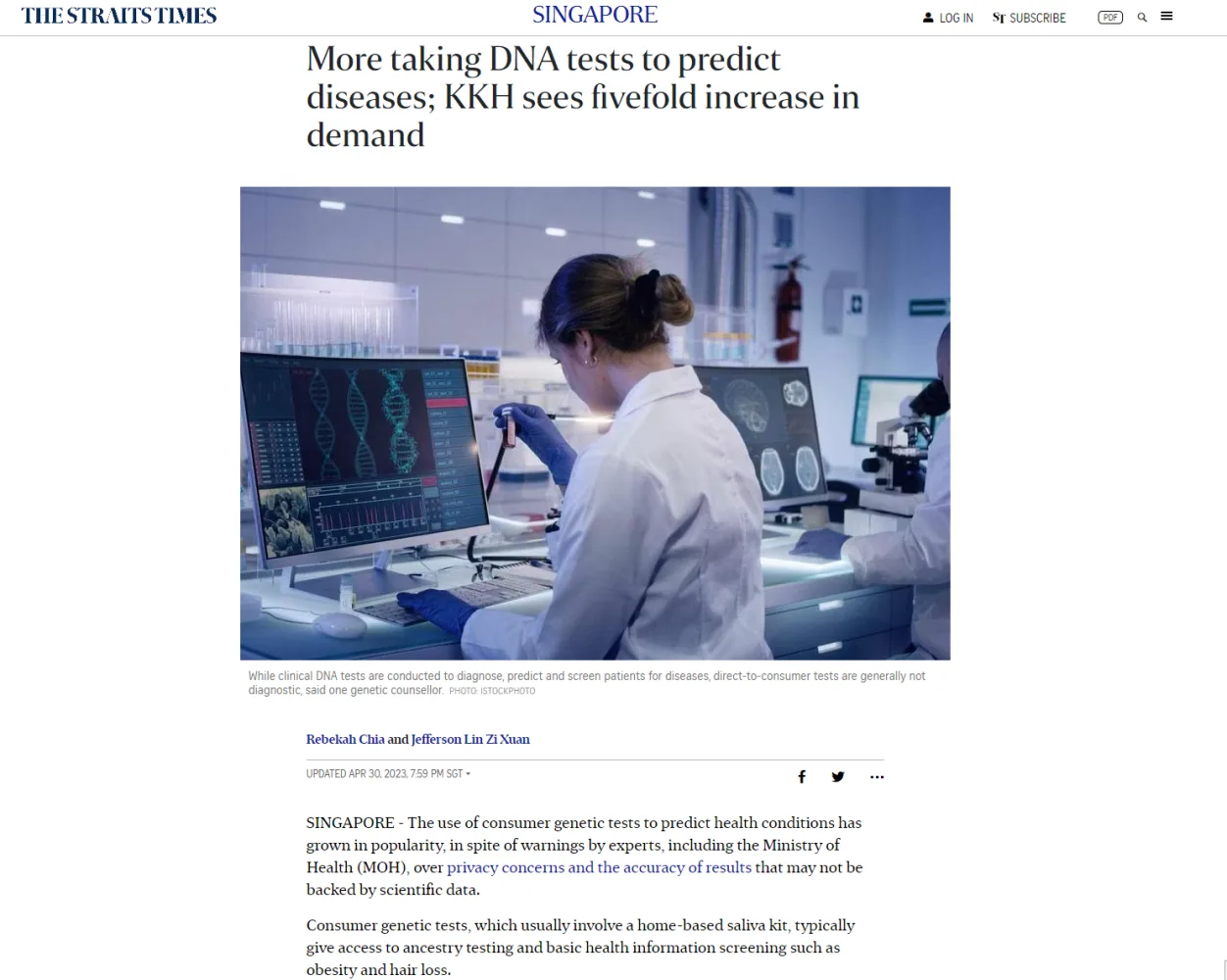
Admittedly, while the realm of consumer genetic testing offers an exciting frontier for self-discovery and empowerment, it is also essential to acknowledge the legitimate concerns that accompany this burgeoning field.
Privacy remains a paramount issue, as the sharing of sensitive genetic information raises questions about data security and potential misuse.
Moreover, the accuracy of results, while improving, can sometimes lack the robust scientific backing seen in medical genetic testing.
However, we must not let these challenges overshadow the tremendous potential that genetic testing holds for the betterment of our lives.
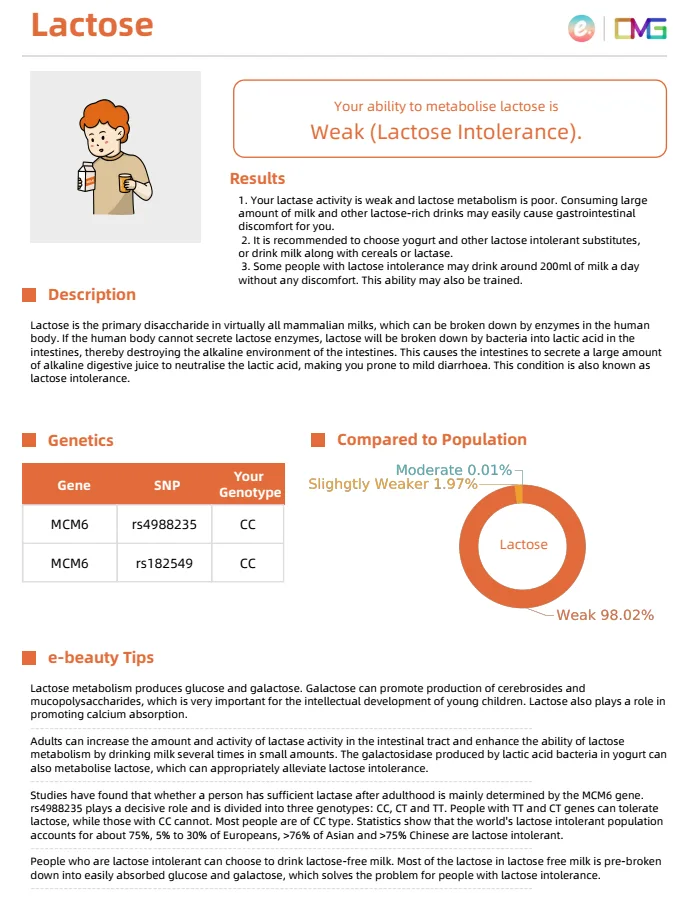
Imagine a scenario where an individual discovers a genetic predisposition for lactose intolerance. Armed with this knowledge, they can make dietary choices that align with their genetics, potentially improving digestive health.
Similarly, insights into athletic performance or cognitive traits can guide career decisions and personal development efforts.
With responsible oversight, strong data privacy protections, and ongoing scientific validation, we can harness the insights gleaned from our genetic code to make informed decisions about our health, lifestyle, and career paths.
The key lies in striking a balance between the opportunities offered by genetic testing and the responsible management of its associated risks, ultimately ensuring a brighter and more genetically informed future.
Epigenetics: Our Genetic Multiplier
The genetic insights gleaned from consumer testing serve as a foundation upon which we can build healthier, more tailored lifestyles.
Finally, shifting our focus to the dynamic nature of our genes, let us explore the influence of epigenetic factors.
It is essential to recognise that our genes are not static blueprints but rather dynamic players in the symphony of life. Epigenetic factors, including lifestyle, environment, and diet, can modify gene expression.
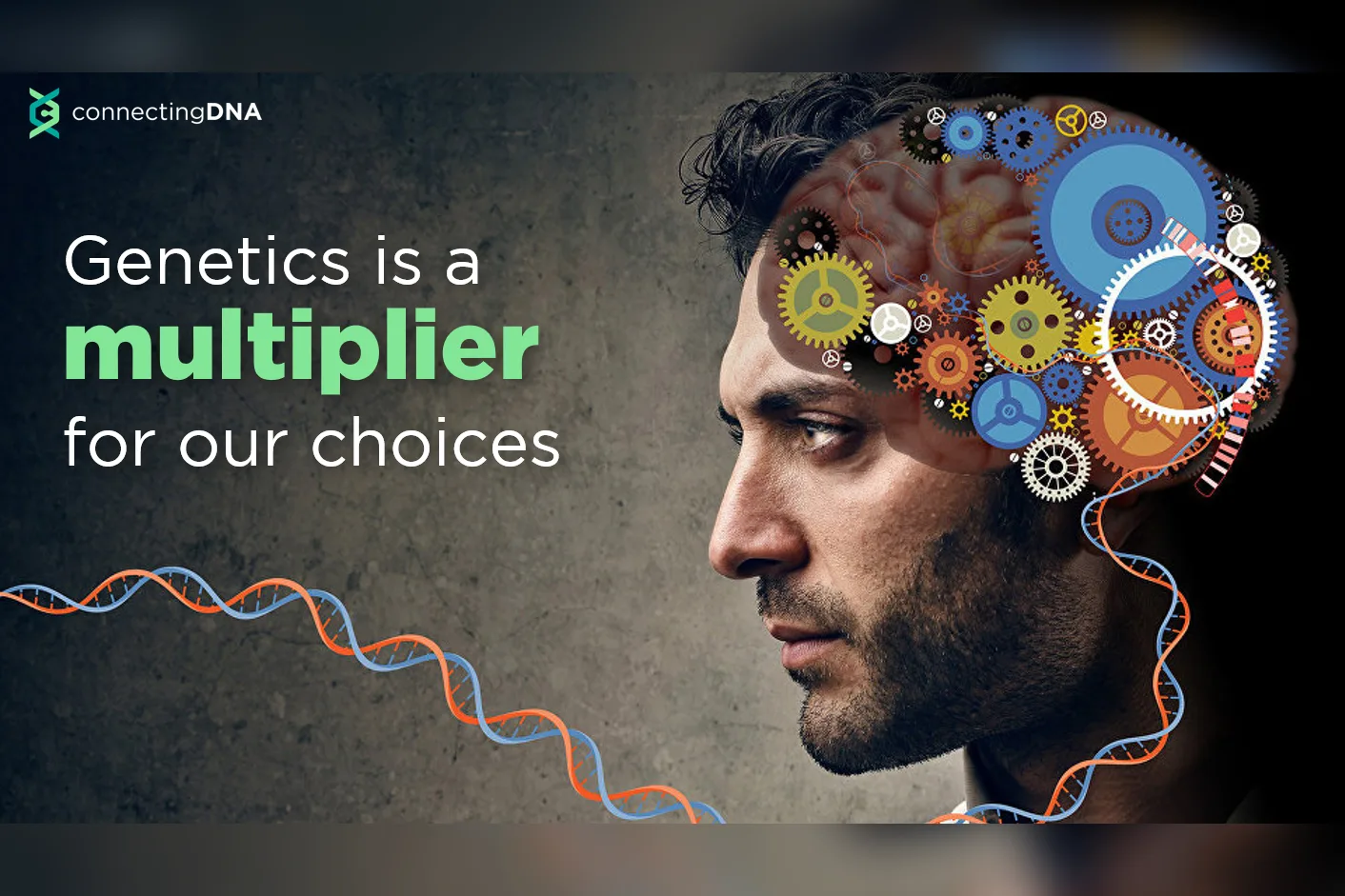
This epigenetic influence acts as a “genetic multiplier”, compounding the impact of our choices on our health and overall well-being. Thus, the genetic insights gleaned from consumer testing serve as a foundation upon which we can build healthier, more tailored lifestyles.
In conclusion, while consumer genetic testing and medical genetic testing share a similar scientific foundation, they also offer divergent insights and applications.
As our understanding of genetics and epigenetics grows, it promises even more personalised discoveries. What untapped potential lies within our genetic code, waiting to be unlocked?

The Why DNA page sets out the Genetic Multiplier with the research behind it, and the Bio-Profile is what a consumer report turns into once somebody reads it properly.