
Imagine the excitement of receiving your long-awaited DNA test results.
You eagerly scroll through pages of your DNA report, hoping to uncover hidden connections to royalty or maybe even a genetic superpower that allows you to indulge in endless hamburgers without getting fat. But then, something curious happens. Your results seem inaccurate, leaving you scratching your head and wondering, “Is my DNA report just a load of nonsense?”
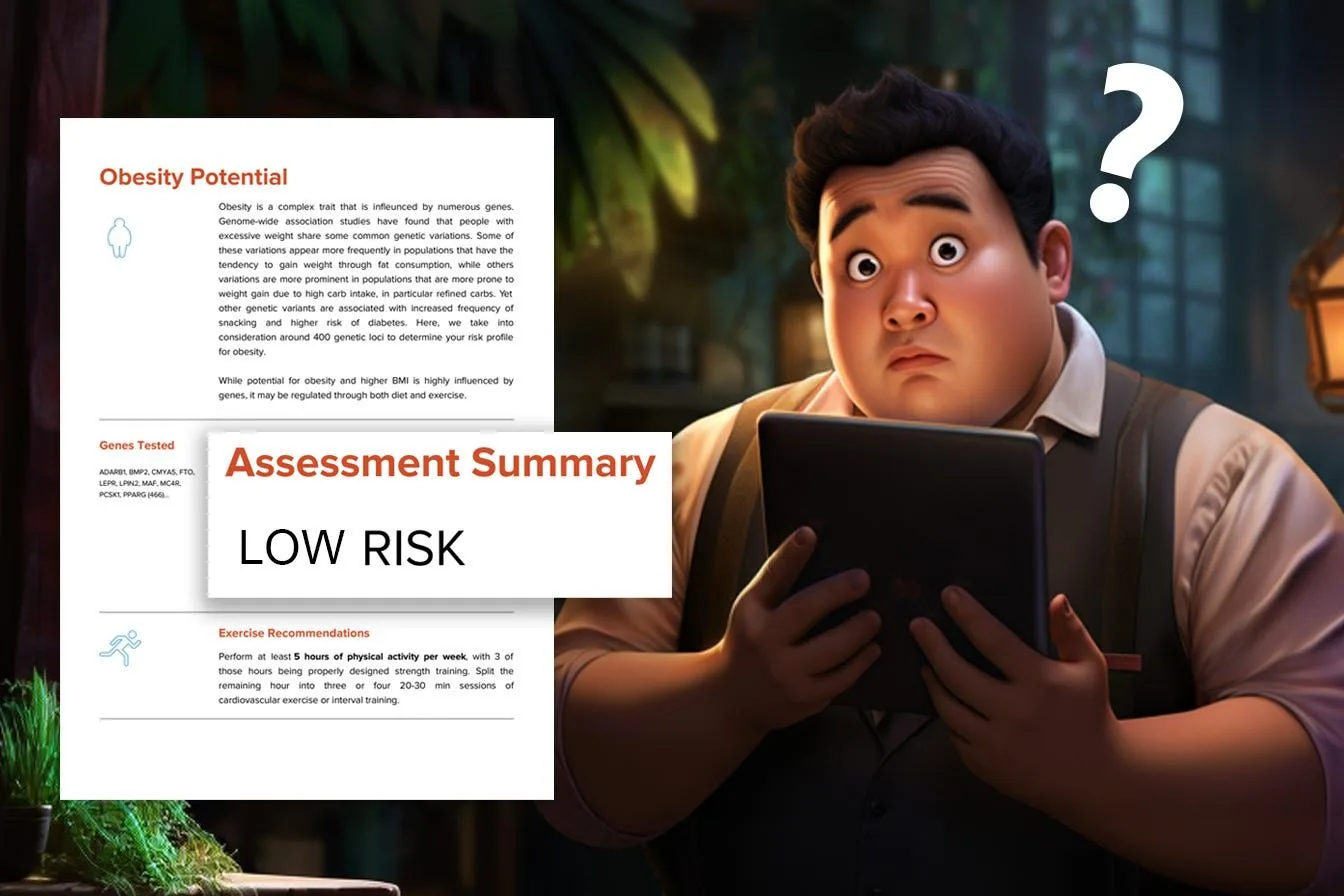
Fear not, for you are not alone in this perplexing journey of self-discovery. As someone who has given his genetic sample (yes, my saliva) to numerous consumer DNA companies, I have come to realise that the world of genetic self-discovery is far from straightforward. It is rife with intricacies and nuances that can lead to unexpected results, leaving you questioning the very essence of your genetic makeup.
In this article, we will delve into 7 intriguing reasons why your DNA test results might make you doubt their accuracy, and perhaps even your genes.
1. Saliva Quality Matters
Foreign particles from food, liquids, toothpaste, or even tobacco by-products can mask your DNA, resulting in a degraded sample that is unsuitable for testing.
One of the most critical factors affecting the accuracy of DNA test results is the quality of the sample you provide. Your saliva contains valuable genetic material that holds the key to unlocking your genetic insights. However, submitting a contaminated sample can lead to inaccurate results.

Foreign particles from food, liquids, toothpaste, or even tobacco by-products can mask your DNA, resulting in a degraded sample that is unsuitable for testing. To ensure the highest accuracy, it is crucial to refrain from consuming anything at least an hour before collecting your DNA sample. This short period of abstinence allows your saliva to return to its natural state, free from contaminants that might have entered your mouth during your daily activities.
By starting with a pristine sample, you significantly increase the chances of obtaining accurate and reliable DNA test results. So, take a moment to ensure that your saliva sample is as pure as possible.
2. Cheap Isn’t Always Good
Unaccredited laboratories may sacrifice quality in their pursuit of affordability, lacking the facilities and knowledge required to conduct a comprehensive and precise genetic analysis.
The surge in consumer genetic testing has flooded the market with various providers offering tests at different price points. While the allure of a budget-friendly option can be tempting, remember the age-old adage, “You get what you pay for.” This wisdom holds truer than ever in the realm of genetic testing.
One of the primary pitfalls of opting for a cheap genetic testing option lies in the potential lack of accreditation of the laboratory conducting the analysis. Accredited laboratories undergo stringent evaluations, ensuring that they possess the necessary equipment, expertise, and quality control measures to deliver accurate and reliable results.

Conversely, unaccredited laboratories may sacrifice quality in their pursuit of affordability, lacking the facilities and knowledge required to conduct a comprehensive and precise genetic analysis. This can result in potential inaccuracies, incomplete information, or even misinterpretation of your genetic data.
So, when it comes to your DNA, prioritise quality testing from a reputable DNA company. Remember that the cost should never compromise the accuracy and reliability of your results.
3. Stick To Your Gene Pool
While we are genetically 99.9% similar, the remaining 0.1% varies between populations, and that can create variations in accuracy.
DNA testing companies rely on reference datasets to create their interpretative algorithms for DNA testing. These datasets are often based on the population from the country where the company is located. For example, a DNA company headquartered in Europe might use a European (Caucasian) gene pool as a reference for their DNA interpretative formulas. Conversely, a Chinese DNA company would draw from a Chinese gene pool.

While we are genetically 99.9% similar, the remaining 0.1% varies between populations, and that can create variations in accuracy. For example, if a European-based DNA testing company conducts a DNA test for an Asian individual, slight inaccuracies may emerge for specific traits.
To enhance the accuracy of your DNA test, it is wise to follow the traditional saying that “birds of the same feather (or genes) should flock together”. Over time, these discrepancies tend to decrease as DNA companies expand their genetic databases across different countries, enabling more accurate DNA matches across diverse racial groups.
4. Different Companies, Different Markers
Different DNA companies employ their proprietary algorithms for genotyping, and these variations in methodologies can lead to discrepancies in your DNA analysis.
Most consumer DNA test companies focus on specific genetic markers known to contain variations associated with traits, ancestry, and health conditions. This method is referred to as genotyping.
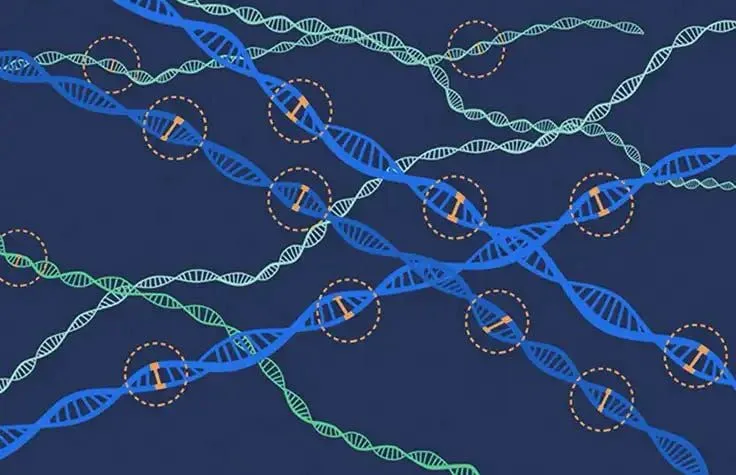
Different DNA companies employ their proprietary algorithms for genotyping, and these variations in methodologies can lead to discrepancies in your DNA analysis. For instance, one DNA company might report a 10% predisposition to a specific trait, while another may suggest a 15% predisposition because they have analysed a different variant genetic marker using an alternative formula.
While these differences in interpretation are not inaccuracies, they can contribute to variations in your DNA test results across different companies.
5. Nature X Nurture
If your results don’t align with your expectations, it might not be an inaccuracy but rather the nuanced interplay of genetic inheritance and environmental factors.
Your DNA can provide insights into your natural predispositions, but it is important to remember that your life choices and experiences significantly influence how these genetic traits manifest in reality.

For example, if your DNA report suggests you have a low tolerance for alcohol, you can still develop a high tolerance if you have grown up drinking alcohol with friends who love it. Similarly, if your DNA predicts you will have a full head of hair, you can still experience hair loss if you have used damaging hair products throughout your life.
If your results do not align with your expectations, it might not be an inaccuracy but rather the nuanced interplay of genetic inheritance and environmental factors.
6. Genetic Knowledge Evolves
Over time, genetic researchers uncover new genes, associations, and mechanisms, reshaping our comprehension of genetic influences on traits, health conditions, and ancestry.
Our understanding of genetics is a constantly evolving field. New research and discoveries are made regularly, leading to updates in the interpretation of genetic data.
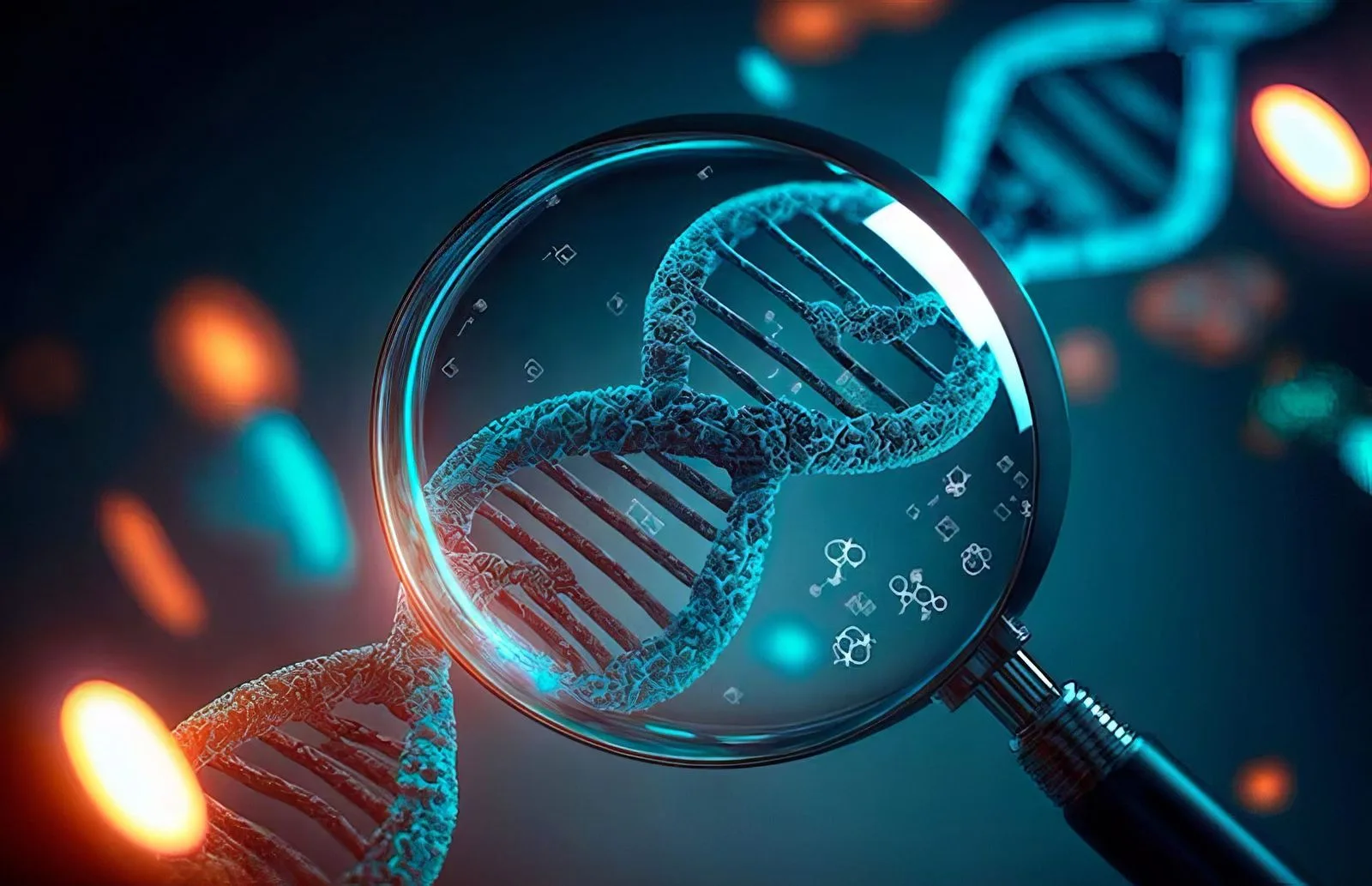
Over time, genetic researchers uncover new genes, associations, and mechanisms, reshaping our comprehension of genetic influences on traits, health conditions, and ancestry. Leading consumer DNA testing companies often offer dynamic updates of your DNA report, incorporating the latest advancements in genetic science and discovery. This means that if new genetic markers related to traits or health conditions are identified, your DNA report can be updated automatically without the need for retesting.
If you ever doubt the accuracy of your DNA report, it is wise to enquire with your DNA testing provider about the frequency of their research updates and whether they offer dynamic updates to their DNA testing services.
7. Shit Happens Sometimes
Sample contamination, data mix-ups, or glitches in laboratory equipment can come into play and affect the accuracy of your genetic test results.
Genetic testing is highly automated and precise, but it is not entirely immune to human error. Occasionally, a lab technician may inadvertently introduce contaminants into your DNA sample, or your DNA swab may be mistaken for another person’s sample. These and other factors can occasionally impact the accuracy of your genetic test results.
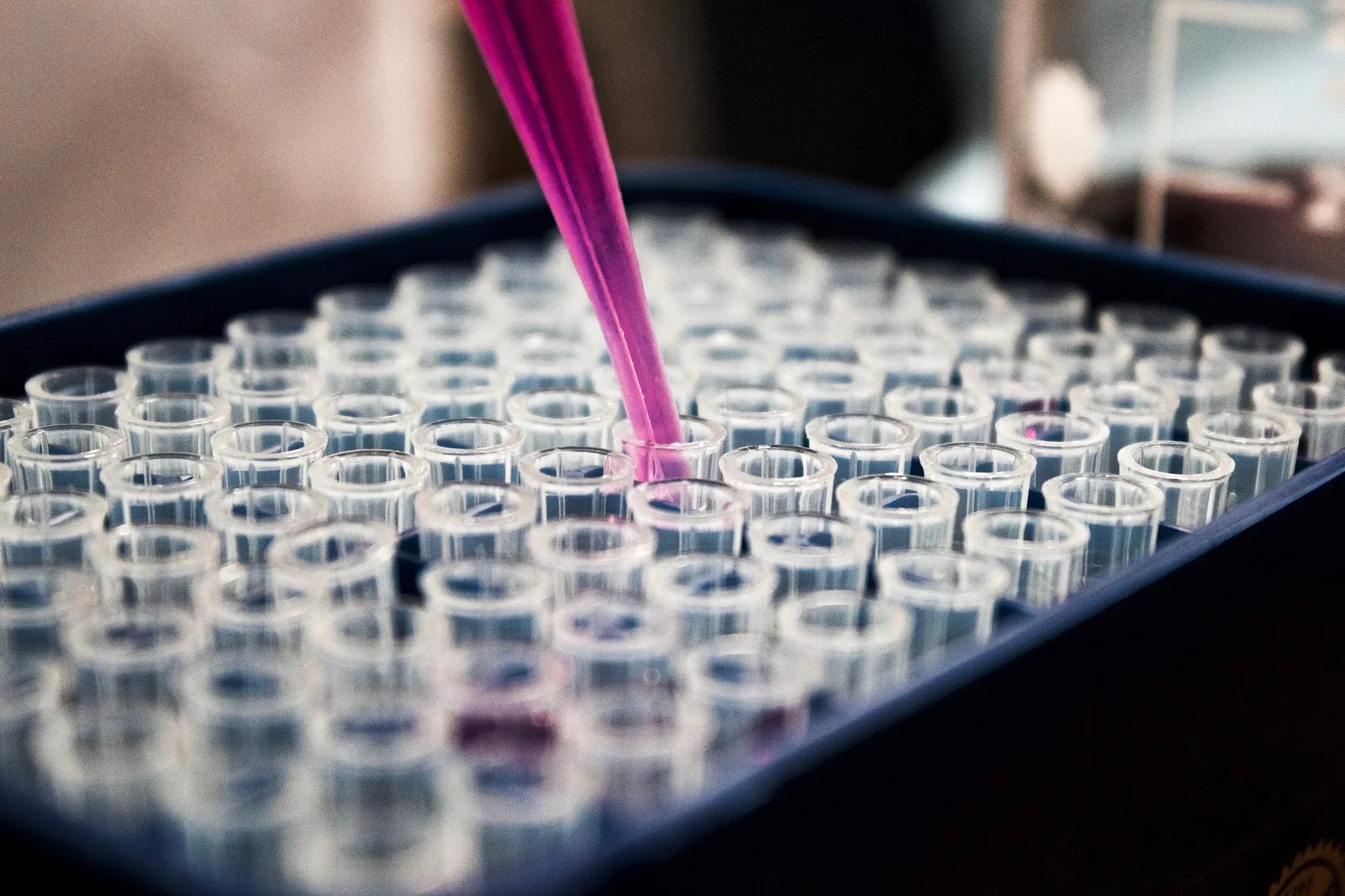
However, it is important to remember that these errors are the exception rather than the rule. The vast majority of genetic tests yield reliable and scientifically sound results, and reputable testing companies have stringent quality control measures in place to minimise such errors.
If you suspect a genuine mistake or anomaly in your results, it is always a good idea to reach out to the testing company for clarification or even request a retest.
Are DNA Test Results Accurate?
DNA tests can be highly accurate when conducted by reputable laboratories and for well-established purposes, such as paternity testing and medical genetic testing. However, as outlined above, the accuracy can vary depending on the type of test and the specific markers being examined.
The world of consumer DNA testing is a thrilling journey that offers profound insights into our genetic heritage and potential. However, it is essential to approach the results with a balanced perspective, recognising the inherent complexities of genetics and the interplay between nature and nurture.
Instead of dismissing your DNA report as nonsense, embrace it as an invitation to a fascinating adventure of self-discovery. Genetics, much like life itself, is a mixture of complexity and unpredictability.

So, use your DNA results as a launchpad for exploration and consider seeking guidance from genetic counsellors and professionals to decode the genetic mysteries that make you uniquely you. After all, it is your genetic quirks that add flavour to your life’s story. Let your genetic adventures continue!
A report on its own is a PDF. The Bio-Profile is what happens when somebody reads it for you, and Why DNA explains why the reading matters more than the number.