
I get it.
As a father of 2 kids, I understand keenly that the role of a parent can be challenging.
Raising children to be exceptional in this modern world can be even tougher, especially when the education and employment landscape these days is so competitive.

Nonetheless, as parents, we all strive to provide the best for our children. We invest our time, effort, and love into nurturing their growth, with the hopes of their success later in life.
But what if there were a way to gain deeper insights into our child’s personality, something that could serve as a guiding light on our parenting journey? A smarter approach to grooming them for a prosperous future?
Believe it or not, this possibility exists.
Here is why.
Is Talent Genetic?
30 to 60% of our personality when we grow up is based on genetic influences.
Our genetic makeup plays a crucial role in shaping who we are. It influences our physical characteristics, personality traits, and even our susceptibilities to certain health conditions.
Whether our kids behave like considerate “angels”, or mischievous “devils”, I believe each of them is born with innate quirks and talents, and unlocking these insights early can help us personalise our interaction with them, leading to better relationships and positive educational outcomes.

That is why many companies like 23andMe, CircleDNA, and ConnectingDNA offer simple home-based DNA test kits to help consumers unlock these insights. Some brands, like OriKIDS, are even customised for the parent to understand their child’s genetic profile.
Through a child-based DNA test, parents can then apply these.
3 Parenting Benefits Of Genetics
#1 Tailored Education, Nurturing Talents
Some children may have a genetic predisposition for certain cognitive abilities, talents or learning styles.
By identifying these traits early on, parents can tailor their educational approach to better suit their child’s unique needs.
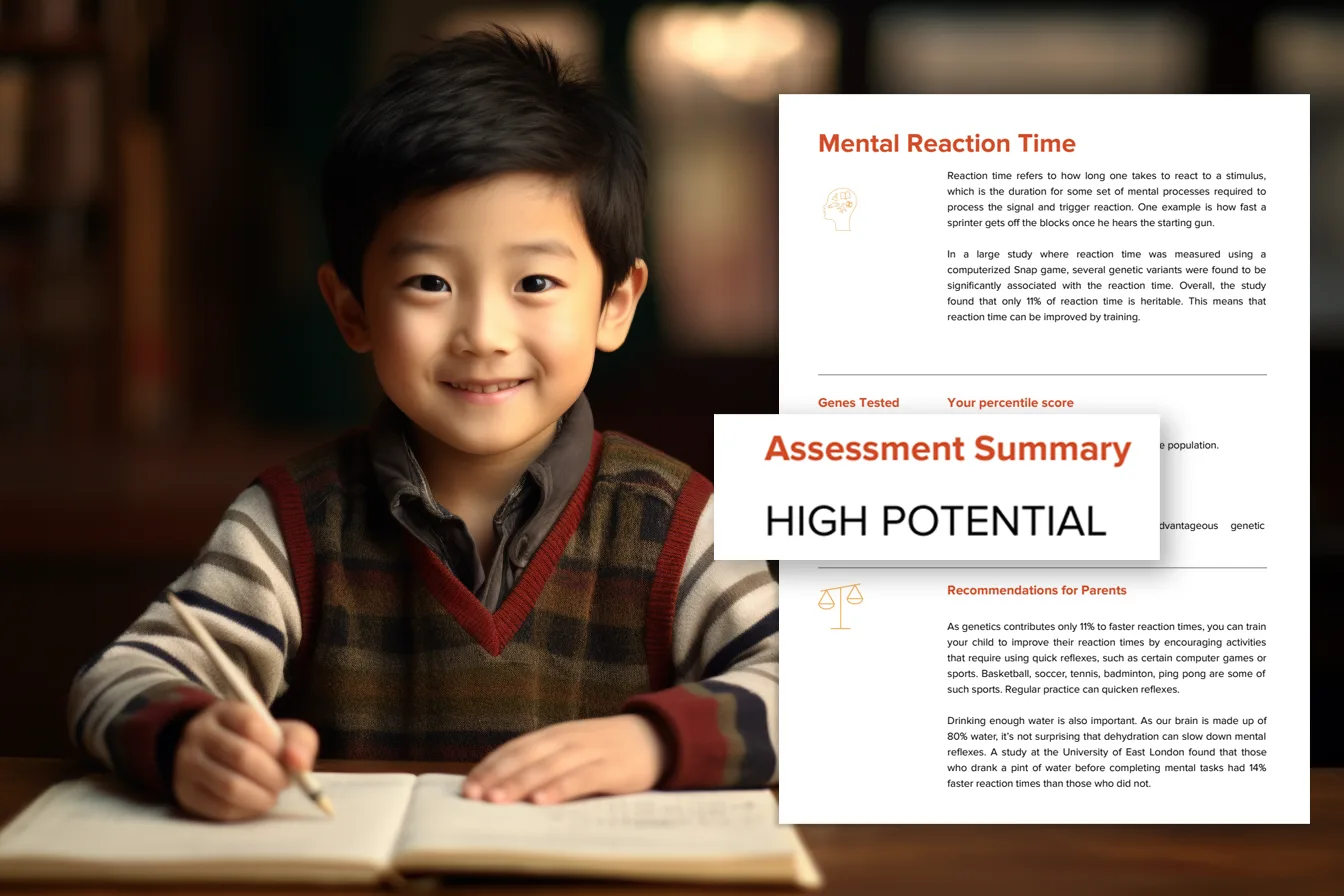
Furthermore, it allows parents to make the right decision to nurture their child’s passions and interests from an early age, potentially leading to a fulfilling career as they grow up.
#2 Improve Relationships, Fostering Resilience
Genetic profiling can reveal a child’s personality predispositions, such as extroversion or introversion. This knowledge enables parents to shape environments that nurture their child’s emotional and social growth.
Armed with this insight, parents can develop strategies to assist their child in dealing with challenges and setbacks more effectively.

In fact, it has also been scientifically proven that as caregivers ourselves, understanding our own genetic dispositions (for example, how we react to stressful situations, like naughty kids) can have tremendous impact in our parenting effectiveness as well.
#3 Personalised Nutrition, Preventive Health
Genetic testing can reveal susceptibility to specific health conditions, along with specific nutritional requirements and allergies unique to each child.

Some allergies do not manifest when a child is young, and only occur once they are older.
In fact, as Dr Kathryn Ruda Wessell, a paediatric allergist from UH Rainbow Babies and Children’s Hospital in Ohio, USA, suggests, allergies can indeed take time to manifest in children.
That is why, armed with knowledge of genetic risks, parents can take preventive measures and promote a healthier lifestyle for their child, potentially avoiding future health issues.
Reasonable Considerations
Is a DNA test accurate? Will my child’s genetic information be private and safe?
While genetic profiling holds enormous promise, as a parent, I understand that it also raises concerns on accuracy and ethics.
In terms of accuracy, consumer DNA testing has witnessed remarkable growth over the past few decades, and most genetic information is accurate, unless incidents occur.

When it comes to ethics, parents may understandably worry about privacy issues. However, it is worth noting that most DNA companies encrypt their customers’ data and are prohibited from disclosing it externally (to insurance, healthcare or pharmaceutical companies, for example).
Nonetheless, as guardians of their child’s genetic information, parents should handle this data responsibly, always keeping their children’s best interests in mind.
It is important to remember that genetics is just one piece of the puzzle, and environmental factors and personal choices also play a significant role in a child’s development.
In Conclusion
A child’s future is determined by Nature and Nurture. Understanding their nature will make nurturing them more effective.
Understanding our child’s genetic traits can be a valuable tool in our parenting arsenal, helping create a customised roadmap for their future success.
By using this information responsibly and in conjunction with other parenting strategies, we can empower our child to reach their full potential and shine brightly in their unique way.
So let us be smart, informed parents, and unlock our child’s genius through their genes!

Sources
- Genetic predispositions and parental bonding interact to shape adults’ physiological responses to social distress (2016)
- How your child’s allergies can change with age (University Hospitals, 2018)
What a child is built for is the same question the DNA-Archetypes ask of an adult, and the Bio-Profile is where the traits themselves are read.