Are you confident in your IQ?
Not me. I used to think I was not very smart growing up.
In my youth, I was that shy, awkward kid who kept mostly to myself. When I did open my mouth, I often made people facepalm.

Yeah. I was a very late bloomer. My communication skills only started developing in my 20s (I had a good 15 years upsetting people).
From there, however, my social life improved massively. When I reached my 30s, I had a successful regional business development career, became an accomplished public speaker, gained great conversation skills, and even made my wife fall for me on our first date!
By then, people around me told me I looked smart (I had complete mastery of my mouth by then). It was also then that I realised that intelligence is not a “fixed” variable predetermined at birth by the luck of our genetic draw. It can be cultivated.
Is Intelligence Genetic?
Intelligent people may think faster than others. But without the right information, they can still make wrong decisions.
Only partly. Your innate IQ, the speed at which you think, is inherited. The knowledge you feed it is earned, and holistic intelligence is the one multiplied by the other.
I have always imagined our mind as a computer, with our innate IQ serving as the processor. This “biological” processor dictates how swiftly we think and process information.
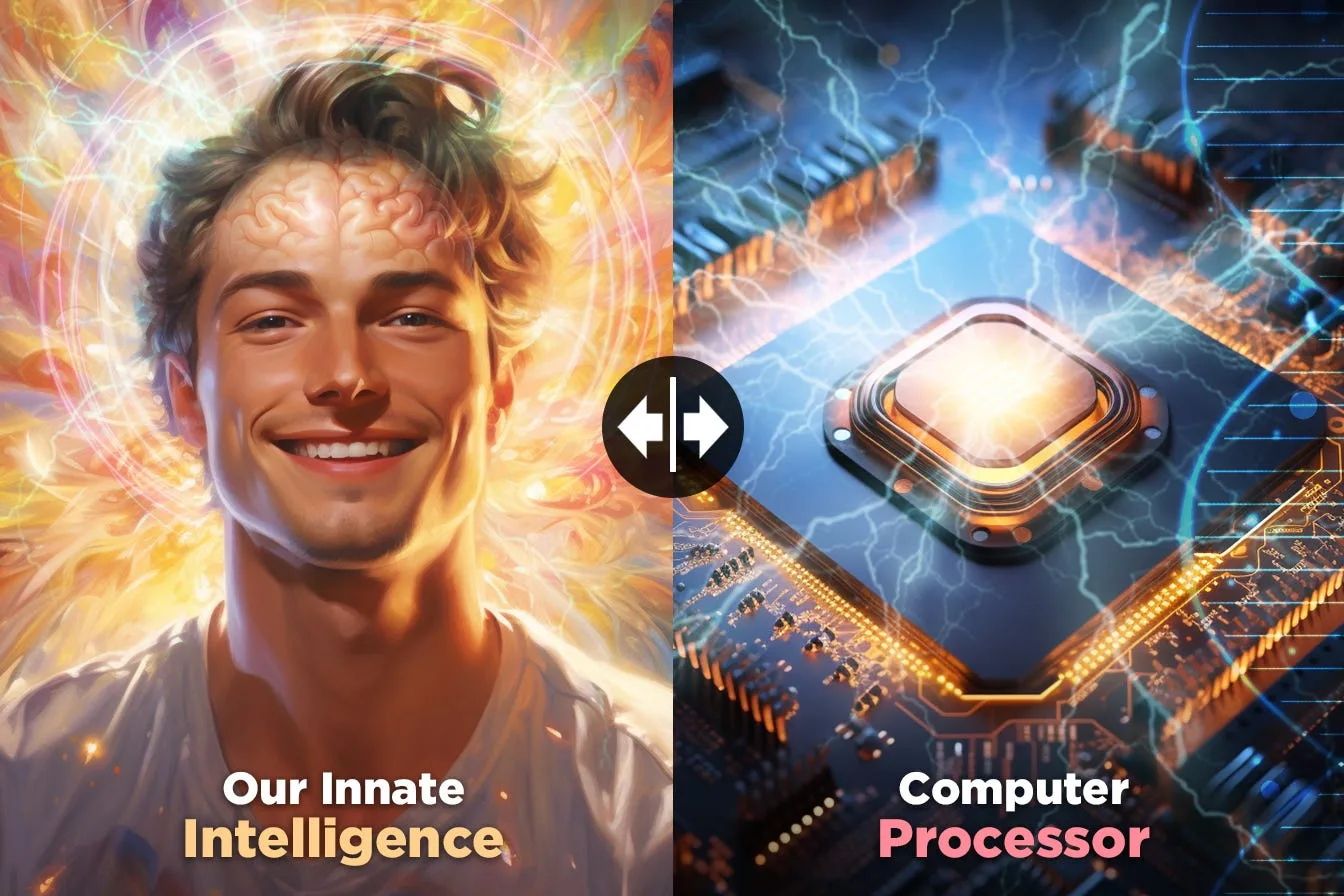
Individuals with higher IQs can process data more rapidly, whereas those with average IQs may take slightly longer to handle the same information.
However, the speed of processing is not everything.
What you know matters too
Even with the fastest processor, a computer will still be considered “dumb” and “useless” without sufficient data, meaning knowledge and life experience.
An individual may boast a high IQ, but without a reservoir of accumulated knowledge, they might lack the depth of thought needed to be considered truly intelligent. Without such “wisdom”, even intelligent individuals can make regrettable mistakes, which is of significant concern if these individuals hold positions of high authority and power.
It is not surprising that the wisest individuals in historical China, often perceived by the Emperor as the most intelligent, were those who had lived a long life.
The Story of Confucius
Let us take Confucius (Kǒng Fūzǐ 孔夫子), the famous Chinese sage and philosopher, as an example.
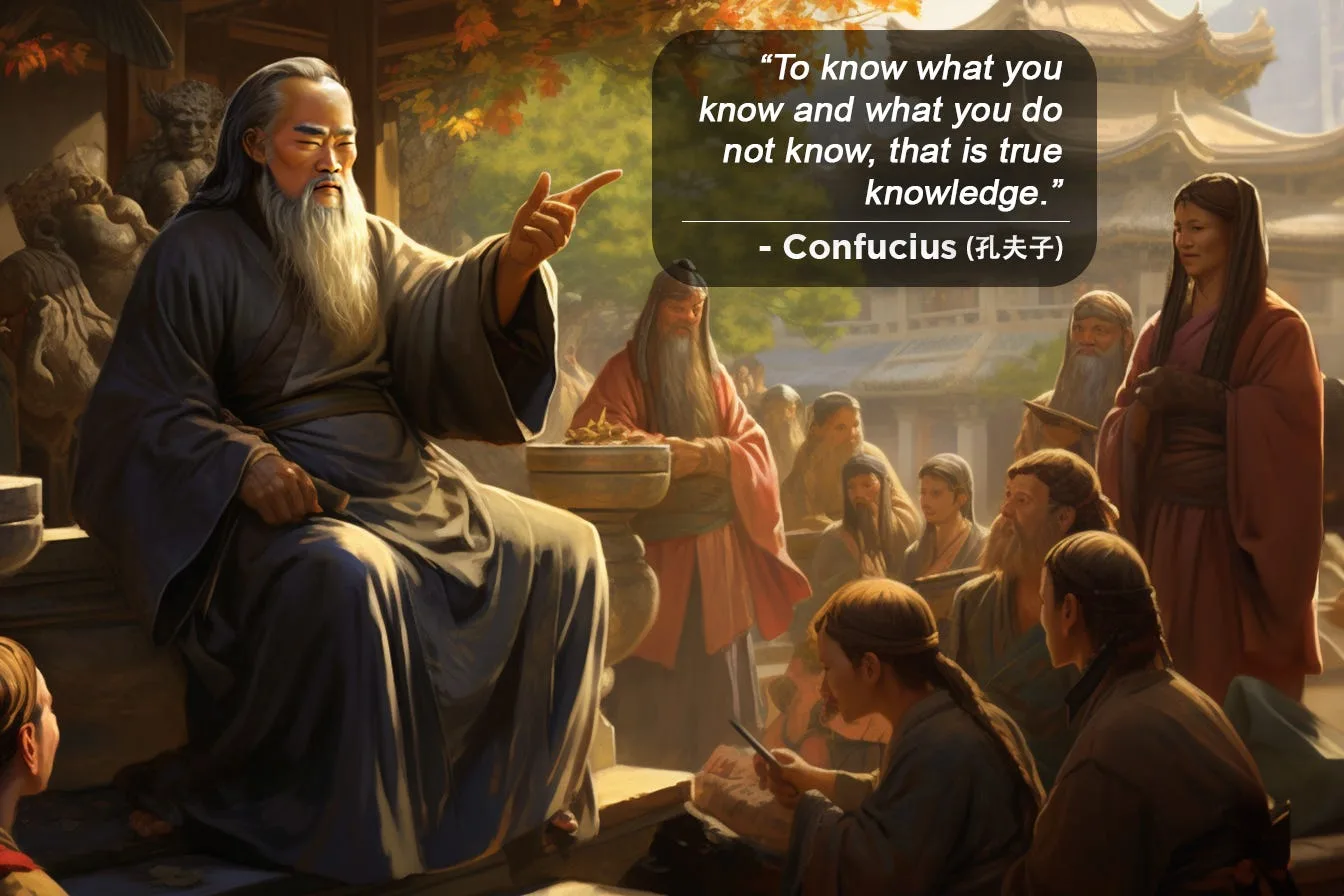
Confucius grew up as an orphan, his father passing away when he was only 3 years old. Raised solely by his mother, he was the very definition of hardship and poverty.
In his 20s, Confucius engaged in various government roles, working as a bookkeeper and animal caretaker. Despite these practical occupations, his scholarly passions persisted, fuelled by a strong desire for learning. Through the hardships and diverse experiences of his life, he gained recognition when he reached 50 years old, and went on to achieve legendary status for his wisdom in his 60s.
As evident from Confucius’s life, true intellectual potential often requires both time and diverse experiences. I call this combination of inherent intelligence and acquired experiences “Holistic Intelligence”, with the formula being:
Natural IQ x Gained Knowledge
Indeed, holistic intelligence creates wisdom. People who are wise make better decisions. In modern context, we would call these people “street smart”.
But what happens when you are not born with a high IQ? Can we even think faster than a person with higher IQ?
Yes we can, through the law of the Genetic Multiplier.
Because.
Familiarity Speeds Up Your Thinking
“Pick one thing. And go at it with everything you’ve got.” Tom Bilyeu, multi-millionaire and voracious learner.
In my opinion, thinking fast and appearing smart can be achieved in 2 ways:
- Having a naturally high IQ
- Having profound familiarity with the subject matter
The latter, often developed through continuous learning and experience, demonstrates that our intellectual prowess is not solely reliant on our innate intelligence.
The Example of Tom Bilyeu
Consider Tom Bilyeu, a hyper-successful entrepreneur, and renowned YouTube personality who interviews thought leaders globally.
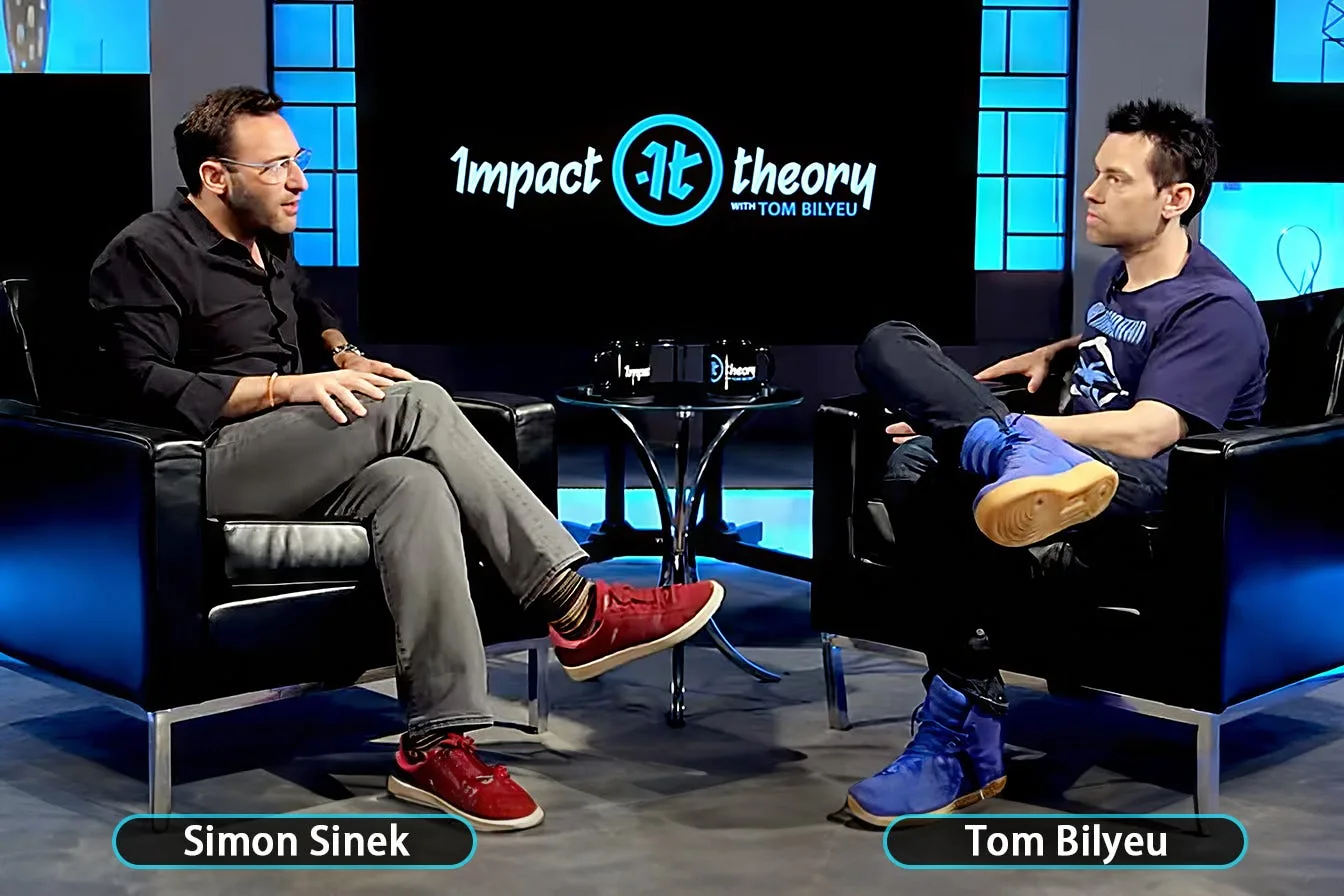
Despite claiming multiple times in his podcasts that he was not born smart, Tom’s interactions with hyper-intelligent minds on his shows have transformed him into one of the smartest individuals alive today. He is often applauded by his guests for his quick thinking, and witty verbal comebacks.
Tom’s journey emphasises that being smart is a product of both nature (IQ) and nurture (knowledge and experiences), so much so that his learning journey has amassed a huge following of almost 4 million followers on his channel, Impact Theory.
Conclusion
Intelligence is not a fixed trait; it’s a dynamic interplay between natural IQ and the accumulation of knowledge and experiences.
I know you love to be smart. I do too.
But while appearing smart is good, it is mostly for our ego. What is even better is if we can focus our intellectual capabilities to build a successful life for ourselves.
Building Your Life In LEGO
Visualise the strategy to building a successful life as building a massive LEGO castle, with each piece of experience or knowledge you possess being a LEGO block you own.
You may have great natural IQ and ideas, but without deep knowledge and life experiences, you start life with only a few LEGO blocks. However, as you accumulate more meaningful experiences, your LEGO block collection grows, allowing you to create some truly revolutionary masterpieces for your life.
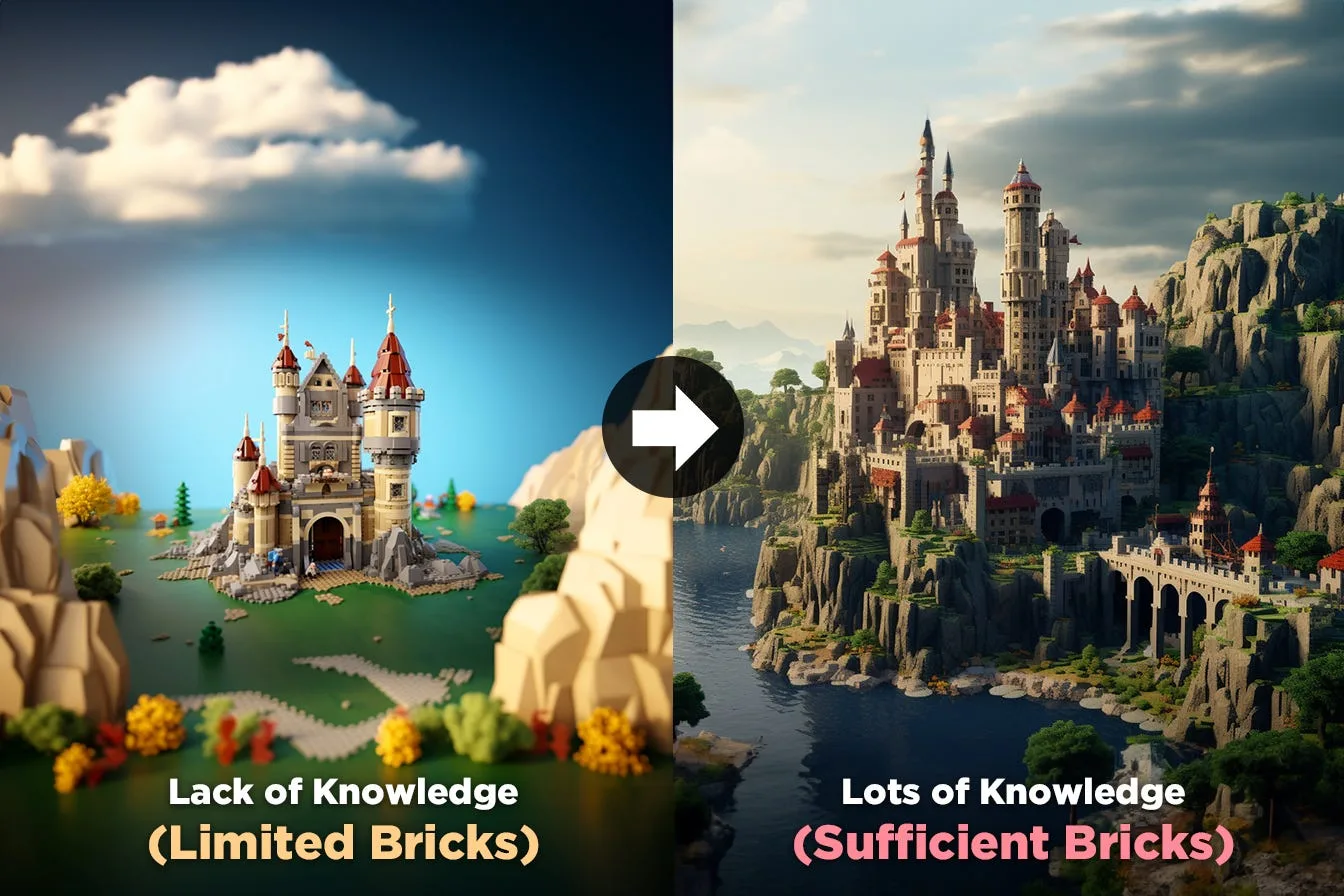
This foundation of success only happens when you have a Growth mindset instead of a Fixed mindset. You need to assemble your LEGO blocks of knowledge, learn from great examples like Tom Bilyeu, and understand that the secret to a better life is the ability to grow your mind.
It is therefore no wonder that the world’s most successful entrepreneurs are avid learners, as they continually add LEGO blocks to their building arsenals.
So while you may not be as naturally intelligent as you want to be, with dedication and a thirst for knowledge, as well as a desire to understand yourself more, you can undoubtedly become damn smart and successful.
Sources
- Confucius (Wikipedia)
- 19 Tom Bilyeu quotes that will inspire you to become your best self (2019)
- Why a growth mindset is essential for career success (Forbes, 2019)
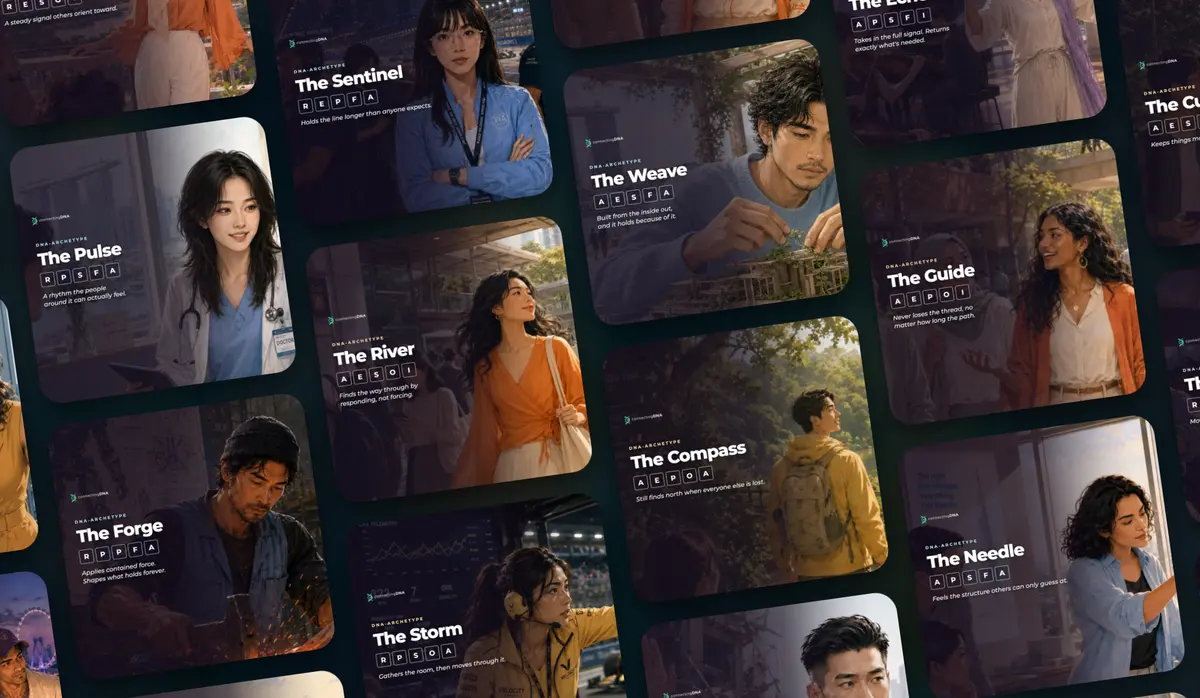
The multiplier this article leans on is set out in full in Your Genes Have An Impact, and how you learn is one of the things the DNA-Archetypes describe.