
Imagine you are at the gym with your best friend.
You are both lifting the same weights, following the same program, and chugging the same protein shakes. Yet, weeks in, your friend looks like they are about to burst out of their tank top, while your gains are a little bit more subtle.
But hold on, this might be less about your dedication (although that always helps), and more about how your body is designed.
Know Your Body, Grow Easier
“Body composition analysis shows you precisely how much Skeletal Muscle Mass you have in each body segment.” InBody USA
In the fitness industry, people are typically classified into 3 main body types: Ectomorph, Mesomorph, and Endomorph.
However, this has been debunked by scientists as a myth since the 1940s. In reality, individuals have a wide spectrum of shapes and sizes that cannot be easily classified into just 3 categories.
Furthermore, our body type can also change over the years. As we get older, even a naturally lean physique can become overweight.
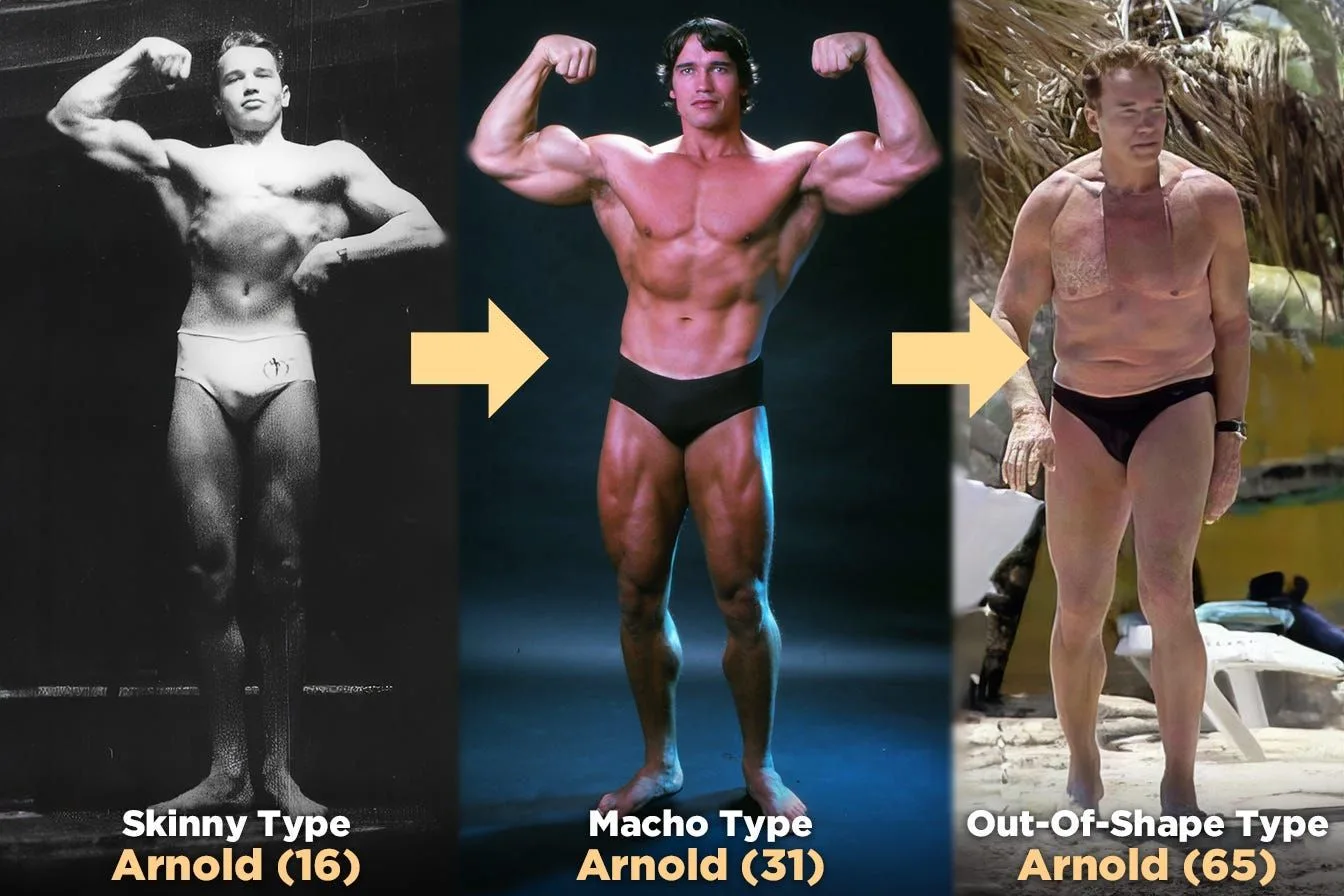
The reverse is also true. Take Henry “Superman” Cavill, who used to be a chubby kid when he was young, but grew up to become a hunky man of steel (abs).

That is why, instead of categories, it is better to understand body composition instead, which refers to the percentage of fat, bone, and muscle in your body.
Knowing your body composition can empower you to create a personalised and data-driven approach to muscle building, maximising your results and optimising your training efforts.
But unlike typical body composition tests employed by fitness professionals, I would like to go deeper, and explore your body composition on a genetic level.
Is Muscle Growth Genetic?
“Skeletal muscle is a highly heritable trait, with 30 to 85% for muscle strength and 50 to 80% for lean mass.” National Library of Medicine
Scientists have confirmed that genetics plays a significant part in your muscle growth potential.
Do not believe it? In Vietnam, there is a 10-year-old boy who has the build of a professional bodybuilder due to a rare genetic condition that causes muscle overgrowth.

This condition causes him to have reduced body fat and increased skeletal muscle size.
While we may not be as fortunate as Nam to be blessed with “muscle genes”, we can use our “genetic” body composition to create a hyper-personalised muscle building plan, one that enables us to achieve our goals faster, safer and easier.
Unlike information from a normal body composition test, a DNA test can reveal your hidden genetic body composition traits, which include the following.
1. Muscle Potential
Genes can influence your muscle fibre type distribution. Fast-twitch fibres are better for short bursts of power and strength training, while slow-twitch fibres excel in endurance activities. This can help you tailor your workout program. For example, if you have more fast-twitch fibres, you can focus on heavier weight training with lower reps instead of lighter weight with more reps.
2. Nutrition Potential
Some individuals may have a genetic predisposition for needing slightly higher or lower amounts of protein, carbs, fats, and micronutrients like vitamins A, E and K. By revealing this, it allows you (and your trainer) to optimise your ideal diet for muscle building.
3. Risk Potential
Genetic tests can sometimes identify genes that increase your risk for certain injuries like tendon and bone fracture injuries. By knowing this, you can adjust your training program to minimise that risk and focus on exercises that are safer for your body.
4. Energy Potential
Genes can influence how efficiently your body converts food into energy. Knowing this can help you choose the right types and amounts of carbohydrates to fuel your workouts and recovery.
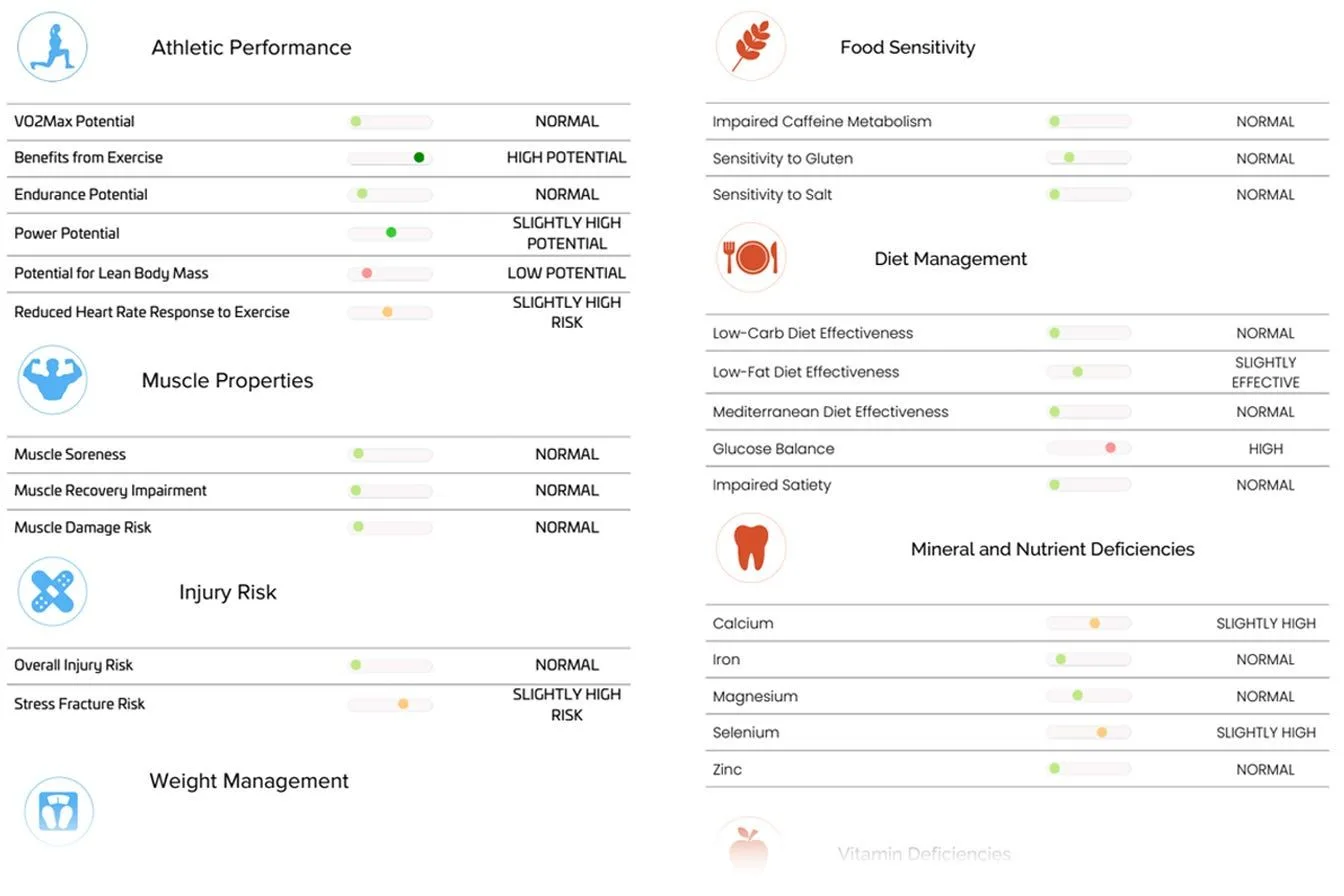
That is why the exciting world of genetic testing is unlocking a new frontier in fitness. By analysing your unique DNA makeup, you gain these valuable insights into your body’s predispositions and choose the right types of exercise and nutrition to recomposition your body to maximise your true bodybuilding potential.
Conclusion
“Success isn’t an overnight thing. It’s when every day you get a little better than the day before. It all adds up.” Dwayne Johnson
While some of us are not blessed with genes meant for bodybuilding, and lowering our body fat percentage may be harder, it does not have to be impossible.
There are a lot of strategies for improving body composition that are effective, even for those with an unfavourable genetic profile.
By understanding your DNA and leveraging that knowledge, you can unlock a whole new level of targeted training and muscle-building success.
Imagine a world where Dwayne “The Rock” Johnson does not just rely on his undeniable work ethic, but also leverages genetic insights to optimise his training for specific movie roles.
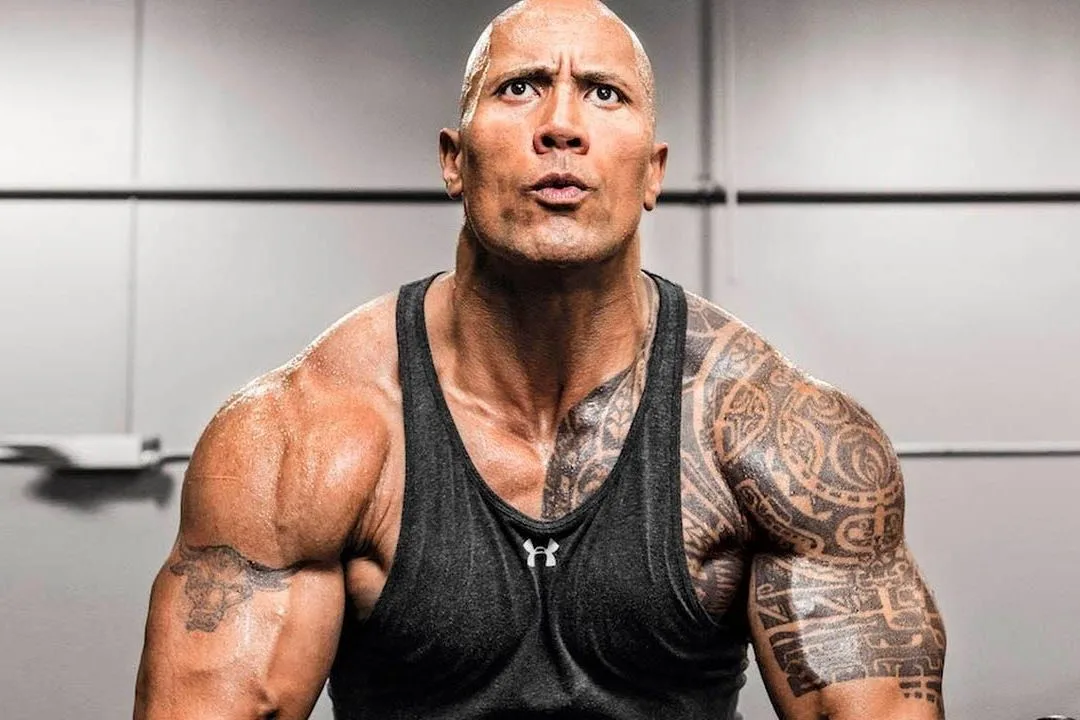
That is the future of fitness we are hurtling towards!
Who knows, maybe with a little science on your side, you too can cultivate some “Rock”-worthy results.
Sources
- Americans can’t escape long-disproven body stereotypes (The Atlantic, 2018)
- Ten-year-old is seriously ripped with bulging muscles due to a rare condition that causes muscle overgrowth (2020)
Muscle potential, recovery and nutrient need are all read in the Bio-Profile, and a Bio-Plan is where a trained partner turns them into a programme.